Chimney Flashing Repair for Gulf Breeze Homes
Local chimney flashing repair with the work clearly explained.
- Family owned
- Upfront pricing
- Workmanship warranty



Chimney Flashing Repair in Gulf Breeze
Flashing repair addresses the connection between a chimney and the roof around it. For a Gulf Breeze property, Pensacola Chimney Pros reviews that junction as a set of adjoining details rather than judging it by the exposed sealant alone. The roof material, chimney face and limits of earlier work all help define the appropriate repair.
Gulf Breeze is in Santa Rosa County, Florida.
Common Problems
Changes Worth Having Assessed
- Lifted or damaged material at the connection
- A history of repeated surface patches
- Uncertainty about a junction after roofing work

Proudly American
Proud to serve Pensacola families with carefully explained chimney maintenance.
On this page
Look at the whole perimeter
A roof penetration has more than one face, and the details can differ around its perimeter. Water approaching the upper side, moving beside the chimney and leaving the lower side meets different parts of the assembly. A photograph of the easiest-to-see edge does not establish the condition of every face.
The repair discussion should identify the area actually assessed and any section that remains inaccessible. Ask whether the proposed work addresses one damaged detail or renews a broader junction. Those scopes can be reasonable in different circumstances, but the boundaries should be clear before prices or warranties are compared.
Understand the visible metal and the layers behind it
Flashing details work with adjoining roof covering and the chimney surface. Step, apron and counterflashing are terms for different parts of that relationship, not interchangeable names for a strip of metal. The exact arrangement depends on the construction present. The provider should explain the relevant components without asking the homeowner to dismantle the junction.
A fresh bead at an exposed edge may be part of a repair, but its appearance alone does not show how underlying layers overlap or where water is directed. Ask what condition requires correction and how the chosen scope restores that connection. The explanation should describe function rather than rely only on the quantity of sealant or metal installed.
Account for adjoining roofing
Removing or replacing a junction detail may affect roof covering nearby. Establish who handles that work, which material is retained and what restoration is included. A chimney-only estimate should not silently assume a roofer will complete an omitted task. Equally, recent roofing work should not be assumed to have included every chimney component.
Keep any prior roofing scope and relevant product information available. It may help identify how the current junction was formed and what was retained during earlier work. If the sequence involves more than one trade, agree how the work interfaces before a finished surface is disturbed again. This coordination can matter as much as the small exposed edge that first caught your attention.
Determine whether the chimney face can support the detail
The metal connection meets a surface whose condition needs consideration. Loose joints, damaged masonry or another deteriorated finish can affect what repair is appropriate. A junction treatment should not conceal a separate material defect without acknowledging it. Ask whether adjoining repair is needed before the flashing work can be completed.
The answer should distinguish restoring the support or receiving surface from the flashing task itself. These may be included in one project, but their purposes remain different. A clean line of metal against an unsound surface is not, by appearance, evidence that the wider condition has been addressed.
Clarify the local approval path
Gulf Breeze's official FAQ notes that city and county approval roles differ for roof work. It also distinguishes shingle replacement from changes to the roofline. Confirm the process for the actual chimney-junction project with the appropriate offices rather than applying a rule from a different scope.
A concise work description helps that inquiry: identify whether the proposal retains the roof form, changes adjoining construction or forms part of a larger project. Do not assume that replacing visible flashing is identical to a complete roof alteration. The authority can confirm the applicable requirements while the service provider defines the work needed for the assessed junction.
Keep a leak investigation separate when the cause is unknown
Flashing can be the suspected area without being an established source. Before approving replacement solely because water appears nearby, ask what evidence supports that connection. If the origin remains uncertain, chimney leak repair in Gulf Breeze describes the broader investigation.
A top-component defect, a roof concern away from the chimney or a concealed condition may need separate consideration. There is no benefit in presenting certainty that the evidence does not support. The assessment should state whether the flashing work addresses a confirmed defect, a preventive renewal within another project or a suspected cause that still requires evaluation.
Review the finished boundary and future observations
At completion, keep the description of the repaired faces, adjoining materials and any work completed by another trade. Ask whether an unresolved area remains outside the agreed scope. The record should be specific enough that a later concern can be compared with the work actually performed.
If the original symptom was intermittent water entry, preserve the earlier photographs and note any recurrence safely indoors. Do not climb onto the roof to inspect the metal or create a water test. A useful follow-up compares evidence from the same locations while recognizing that a completed junction task does not establish the condition of every other chimney component.
Document concealed boundaries before closing the work
Some portions of a junction become visible only during professional access or removal. Ask how an unexpected condition will be explained before it changes the scope. The important record is the affected component and the reason for the additional task, not simply a higher total. A change should be understandable while you can still make a decision.
Before adjoining finishes are restored, clarify whether any part remains outside the repair. The final work description should distinguish the new junction detail from roofing or masonry retained in place. That boundary makes a later concern easier to assess and prevents a narrowly defined task from being remembered as replacement of the entire roof connection.
What's Included
What Your Proposal Should Identify
- The chimney and roof materials forming the connection
- The included roof-side work and responsible trade
- Limits of any temporary protection or later restoration
FAQs
Before You Arrange Service
Is counterflashing the same as a chimney cap?
No. Counterflashing belongs at the roof-to-chimney junction. A cap belongs at an outlet higher on the chimney. Their purposes and repair scopes differ.
Does flashing work include all nearby shingles?
Only the defined work should be assumed included. Ask which roofing is disturbed, restored or handled by a separate contractor.
Can a new sealant bead prove the junction is fixed?
Its appearance does not establish the underlying arrangement. The provider should explain the observed defect and how the completed detail addresses it.
Our Services
Connected Service Options
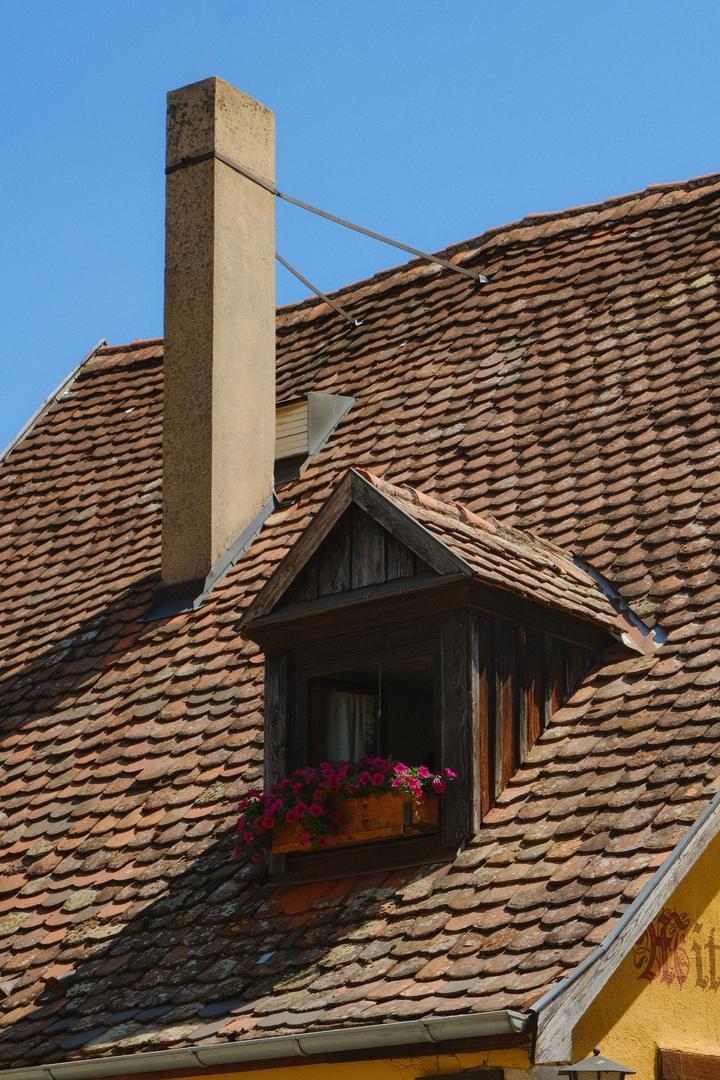



- Chimney Cap Installation and ReplacementReplace the outlet cover with the surrounding assembly in mind.
- Chimney Liner Installation and ReliningSelect a documented liner system for the actual appliance and passage, with preparation and connections included in the plan.
- Fireplace InstallationTurn a room idea into a defined fireplace project.
Your Details Are With Our Team
We will contact you to discuss the reported issue and appointment options.
Chimney & Fireplace Brands We Work With